
Beyond the Print: Exploring the Unique Patterns of Animal Paws
We’ve all smiled at the perfectly formed, small-scale versions of animal feet—the ubiquitous “paw print.” But if you zoom in, the world beneath an animal’s fur is far more than just a shape. It’s a complex, textured landscape of pads, lines, ridges, and colors that tell a fascinating story of adaptation and individuality.
Far from being uniform, the undersides of paws—the “toe beans,” the “toehawks,” and everything in between—exhibit incredible diversity. Let’s explore why the patterns on animal paws are anything but ordinary.
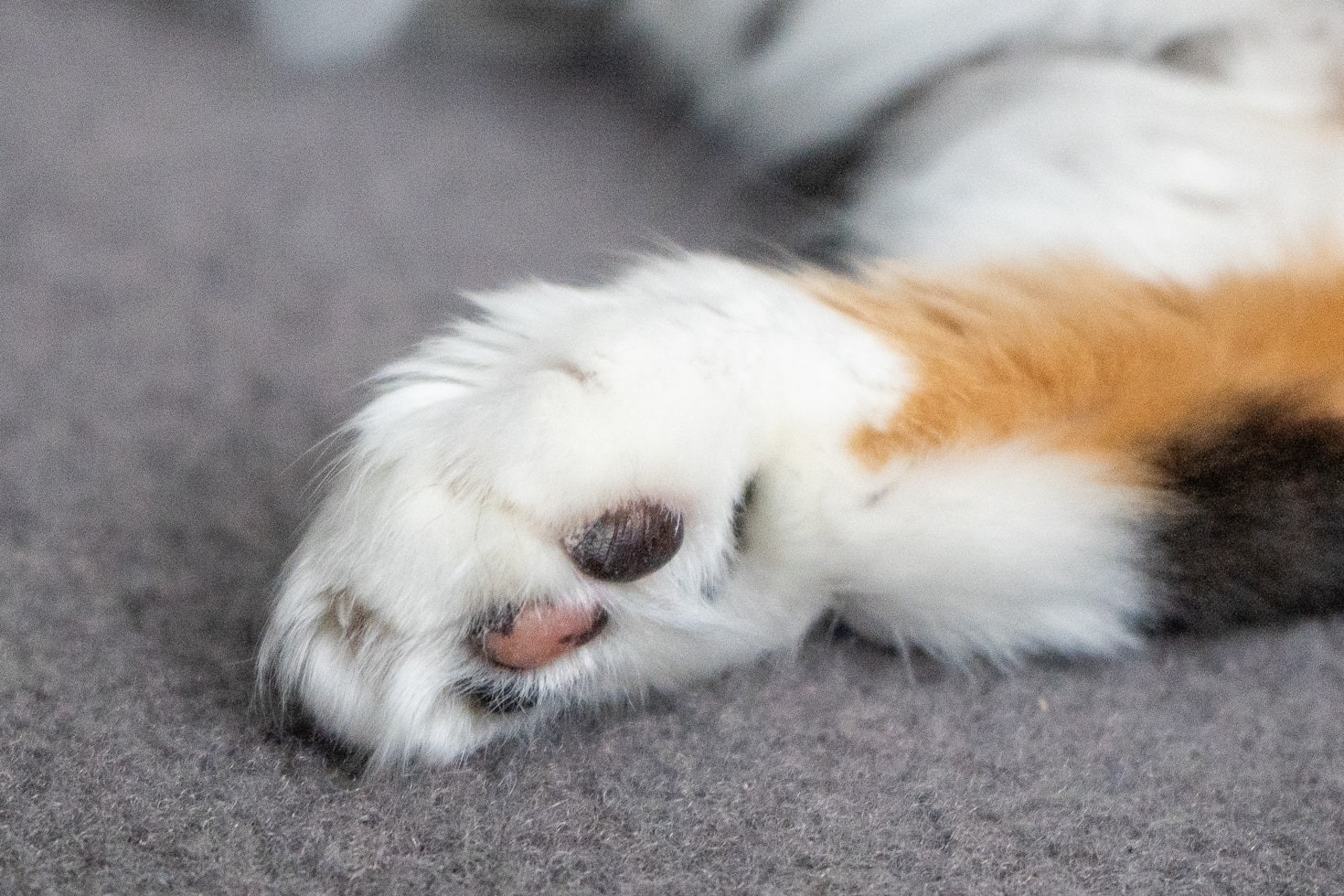
In the intricate mosaic of a speckled paw and the soft resilience of every pad, we find nature’s quiet signature—a reminder that beauty is hidden in the smallest details, and every unique pattern is a map of a life lived with purpose.
The Functional Beauty of Footpads
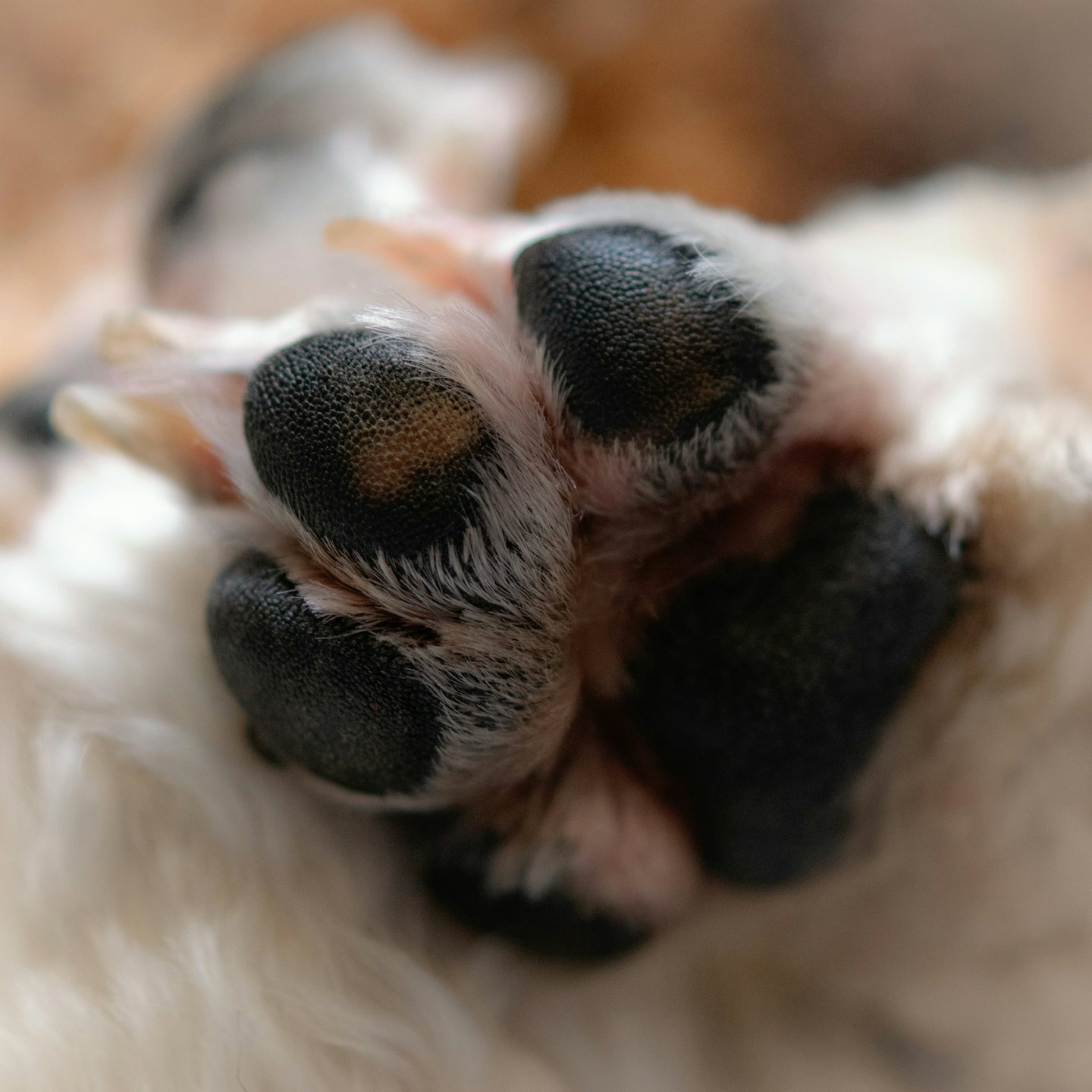
The primary structure on the underside of most mammalian paws is the pad. These are specialized, thickened areas of skin covering ligaments and adipose (fat) tissue. They look simple, but their design is a masterpiece of biology.
Protection and Insulation: Pads are tough. They shield sensitive inner structures from heat, cold, and sharp objects. In extreme environments, this protection is amplified. Polar bears, for example, have pads covered in tiny, non-slip papillae and dense fur between the toes, creating a natural thermal boot.
Shock Absorption: Footpads are the ultimate natural sneakers. They cushion the joints from the impact of running, jumping, and pouncing. Without this padding, the skeletal system of a highly active animal would face immense strain.
Traction Control: The surface of a footpad is rarely smooth. Whether it’s the rough, leathery texture of a dog’s pad or the slightly softer, matte finish of a cat’s, these surfaces create friction, allowing animals to grip varied terrain—from slick hardwood floors to rugged mountain rock.
Unique Signatures: As Individual as a Fingerprint
Just as human fingerprints have unique loops and whorls, the patterns on animal pads are highly distinct. In fact, some researchers are exploring the use of “paw prints” as a non-invasive way to identify individual animals in the wild.
- Speckled and Variegated “Beans”: Many domestic cats, particularly Calicos, Tortoiseshells, and certain Tabby patterns, display a mosaic of colors on their pads. These “multi-colored toe beans” can be a mix of pink, black, grey, and even a rusty ginger. This pigmentation often mirrors the color patterns found in their fur coat.
- Canine Creases: Dogs possess unique crease patterns and ridging on their footpads. These lines are not random wrinkles; they are formed by the specific ways the foot flexes and grips. The intricate details of these lines can be surprisingly consistent for an individual animal.
“Toehawks” and Tufted Grips
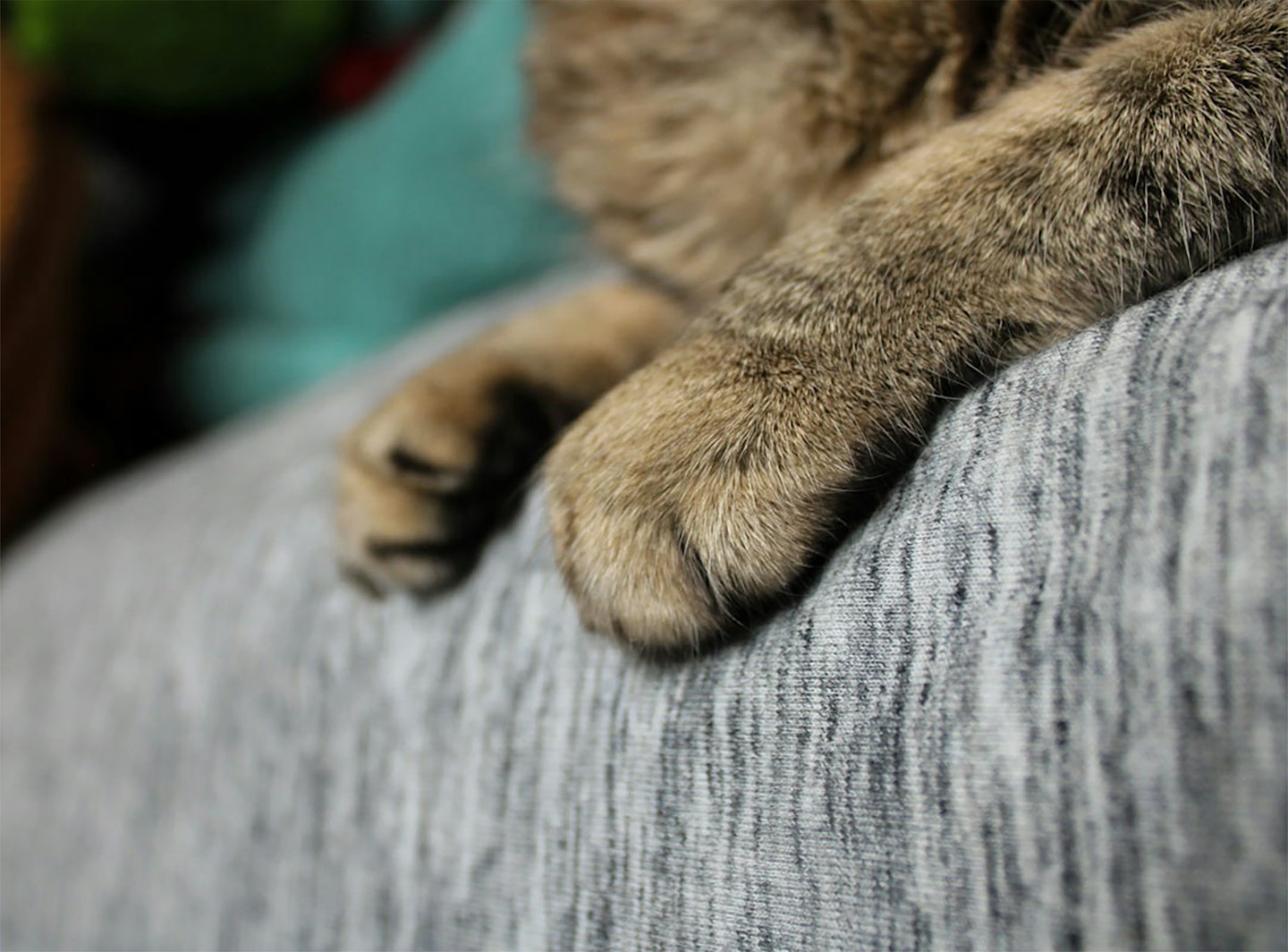
In some animals, especially long-haired breeds of cats like Maine Coons and Persians, a remarkable feature emerges: long tufts of fur growing from between the toes and around the pads. These are affectionately known in the pet community as “toehawks” or “mop toes.”
Improved Mobility: The extra fur can provide stability and traction on slippery surfaces like ice or wet leaves, almost acting like the tread on a tire. It adds a layer of soft, variable grip that can adjust to uneven ground.
Natural Snowshoes: These tufts aren’t just for show. In snowy climates, this extra fur acts like a natural snowshoe, distributing the animal’s weight over a wider surface area and preventing it from sinking into deep drifts. It also helps insulate the foot and the pads from the direct cold.
More Than Meets the Eye
The next time you are quietly observing a pet’s “big stretch” or find yourself admiring a clear paw print in the mud, take a closer look. What seems like a simple, functional structure is actually a complex, beautiful map. The patterns on animal paws offer a fascinating intersection of robust biology and delicate, individual design—a quiet reminder that nature’s most ingenious solutions are often found in the smallest details.
Leave a Reply