
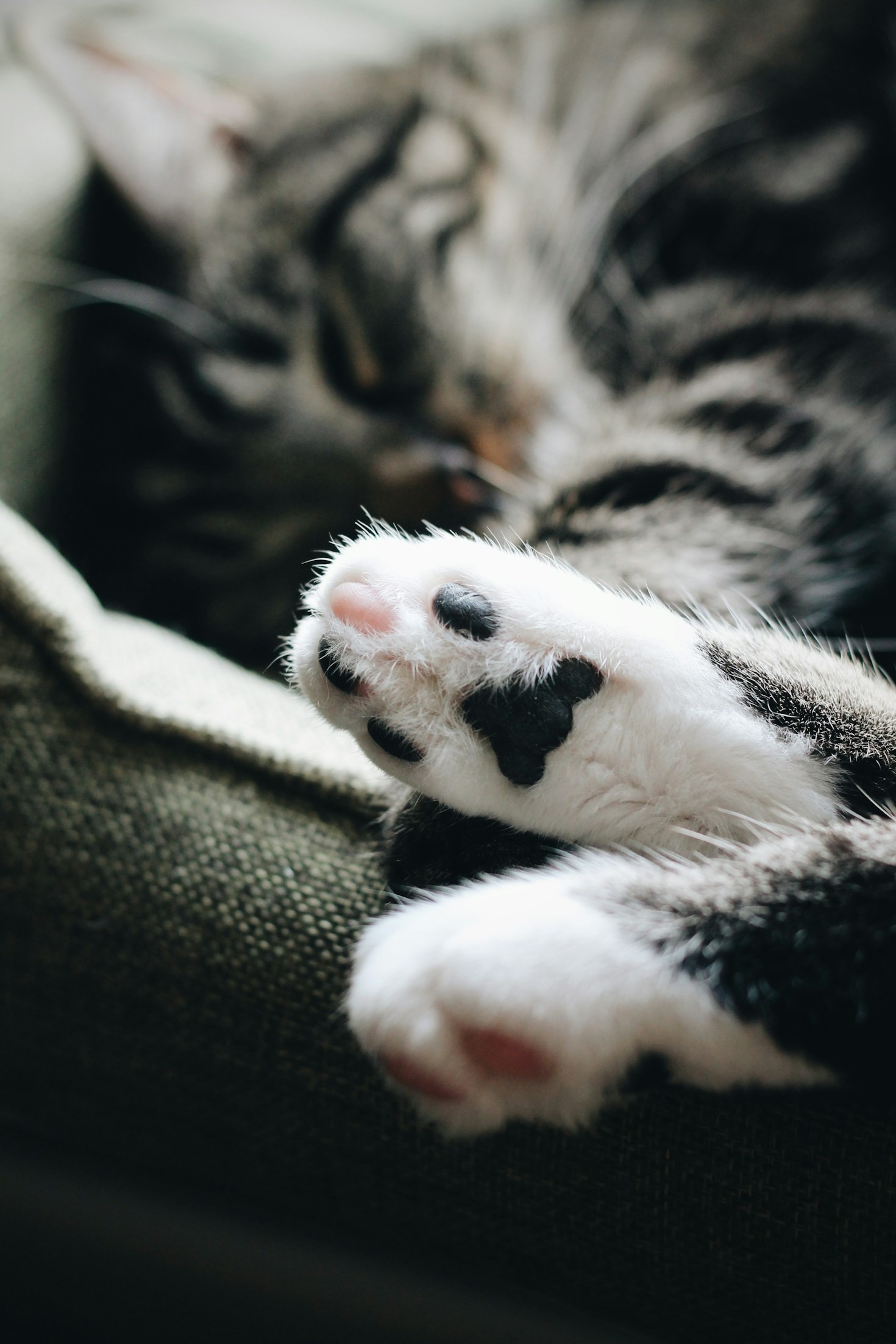
In the grand spectrum of pet photography, where wagging tails and soulful, eager eyes often take center stage, there lies a quiet, intimate universe waiting to be explored: the paw. To the uninitiated, it might seem like a simple obsession with “cute toe beans,” but for dedicated pet enthusiasts and photographers, a paw is so much more. It’s a map of a journey, a tool of discovery, and a powerful symbol of connection.
Stepping behind the lens to capture the essence of a paw is an exercise in macro-patience, a study in texture, and an opportunity to document the silent, loyal signature of a beloved companion. Here is a look at what it takes—and why it matters—to focus on the smallest, most impactful details.
Behind the lens, we find that a paw is never just a footprint; it is a delicate map of devotion, where every soft ‘toehawk’ and speckled ‘bean’ tells the story of a soul that chooses to walk beside you, one quiet, trusting step at a time.
1. The Art of the Macro: Finding the Map Within the Pad
To capture the true essence of a paw, you must first embrace the micro-scale. Standard photography rarely does justice to the complex geography of a pad.
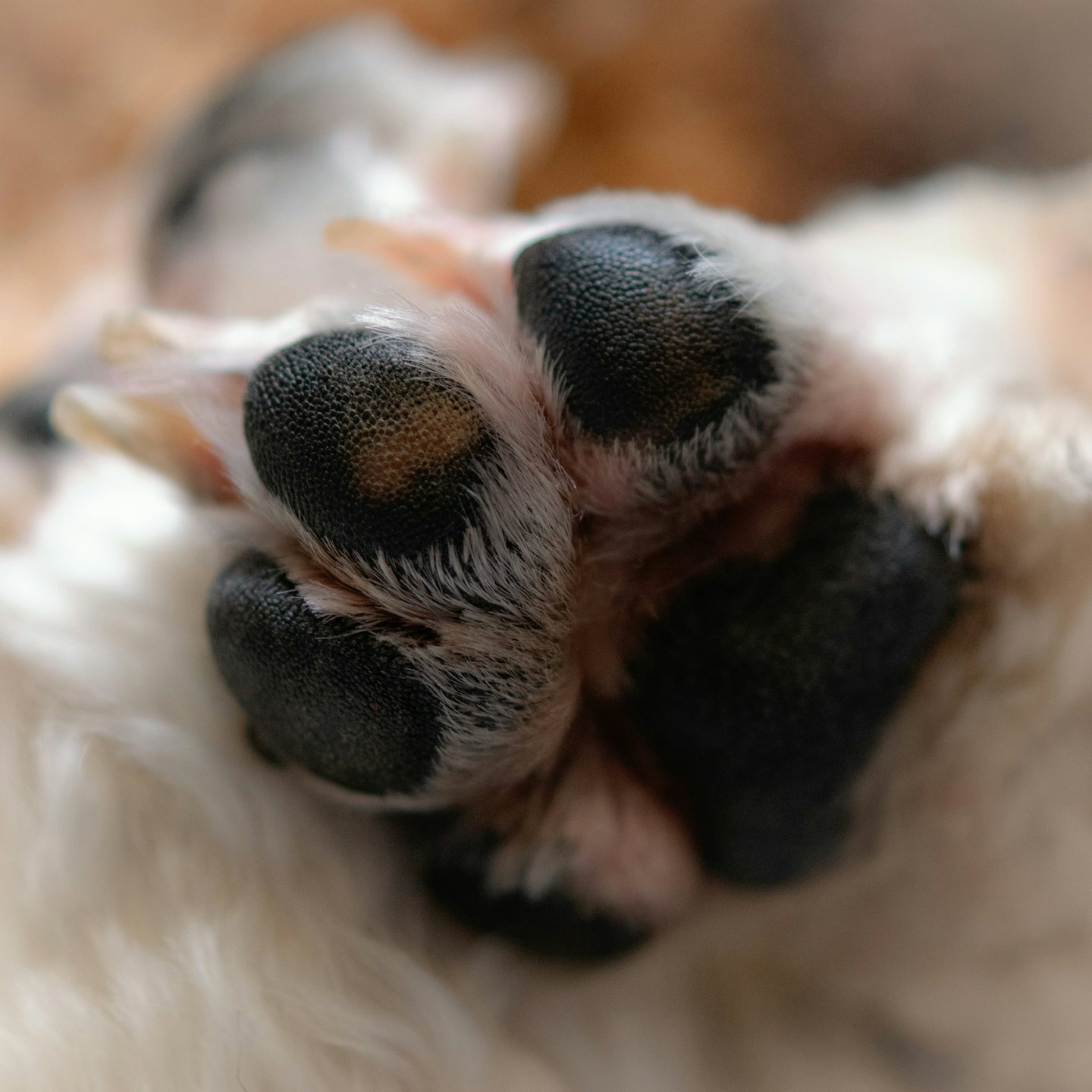
- The Mosaic of Pigment: In many animals, especially dilute calicos, tabbies, and multi-colored dogs, the pads are rarely uniform. When you zoom in, you discover a vibrant mosaic of speckled pink-and-black beans, charcoal greys, and even soft peaches. These color patterns often reflect the animal’s coat, turning the underside of their foot into a unique, living portrait.
- Texture as Narrative: The surface of a footpad is a story. It has ridges, creases, and fine lines formed by the way the foot flexes and grips. High-resolution paw photography highlights the contrast between the tough, resilient, almost leathery main pad and the slightly softer, matte finish of the toes. Every line tells the story of a life lived with purpose.
2. The Language of the “Toehawk”
For photographers working with long-haired breeds like Maine Coons, Persians, or even some retriever mixes, the paw holds an extra layer of whimsical texture: the “toehawks” or “mop toes.” These are the long, silky tufts of fur that sprout from between the toes and around the pads.
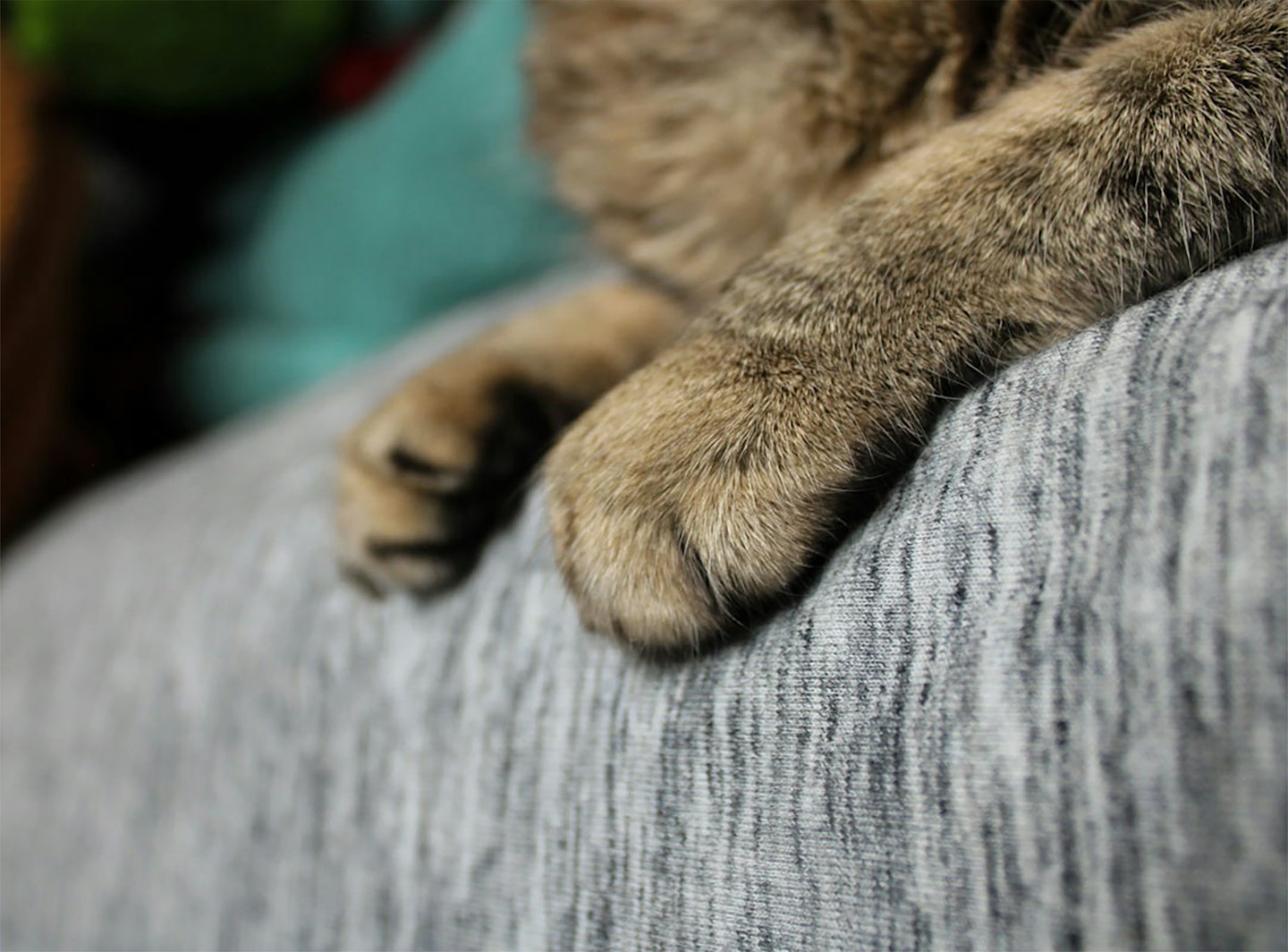
Soft Contours: While the pad provides structure, the toehawks provide soft, variable contours. Capturing the way light filters through these delicate tufts creates an ethereal, soft-focus quality that contrasts beautifully with the defined geometry of the toe beans. They are natural snowshoes and built-in sensory tools, and documenting them celebrates the unique adaptations of the breed.
3. Light and Shadow: Building Tactile Depth
The most compelling paw portraits are those that trick the viewer into wanting to reach out and touch the image. This requires masterful control of light.
- Sculpting the Fur: Side-lighting or soft, diffused window light is ideal. It skims across the paw, highlighting the individual strands of fur that swirl around the toes. It casts gentle shadows into the creases of the pads, adding depth and making the scene feel incredibly tactile.
- The “Warm” Focus: A common technique is to use a very shallow depth of field, keeping just the main “bean” or a single claw in critical focus while the rest of the paw and the surrounding bedding softens into a beautiful bokeh. This makes the texture of the pad the absolute star of the show.
4. Capturing the “Loyal Rest”
The final, most profound step in capturing the essence of a paw is choosing the right moment. Paws are rarely at rest; they are tools of action. But when they are still, they become symbols of peace.
- The Splay of Sleep: A sleeping pet, with their paws relaxed and toes gently splayed, offers the ultimate subject. This moment of total vulnerability is when the intricate patterns are clearest. It’s when a paw portrait becomes a keepsake—a record of the quiet, trusting heartbeat that shares your life.
Final Thoughts
Behind the lens, we learn that a paw is never just a footprint. It is a masterpiece of biology and a vessel of devotion. Capturing its essence means documenting the very foundation of the human-animal bond—one soft toehawk, speckled bean, and trusting step at a time.
Leave a Reply