Ten Little Wonders: 10 Reasons Animal Paws Are Simply Irresistible
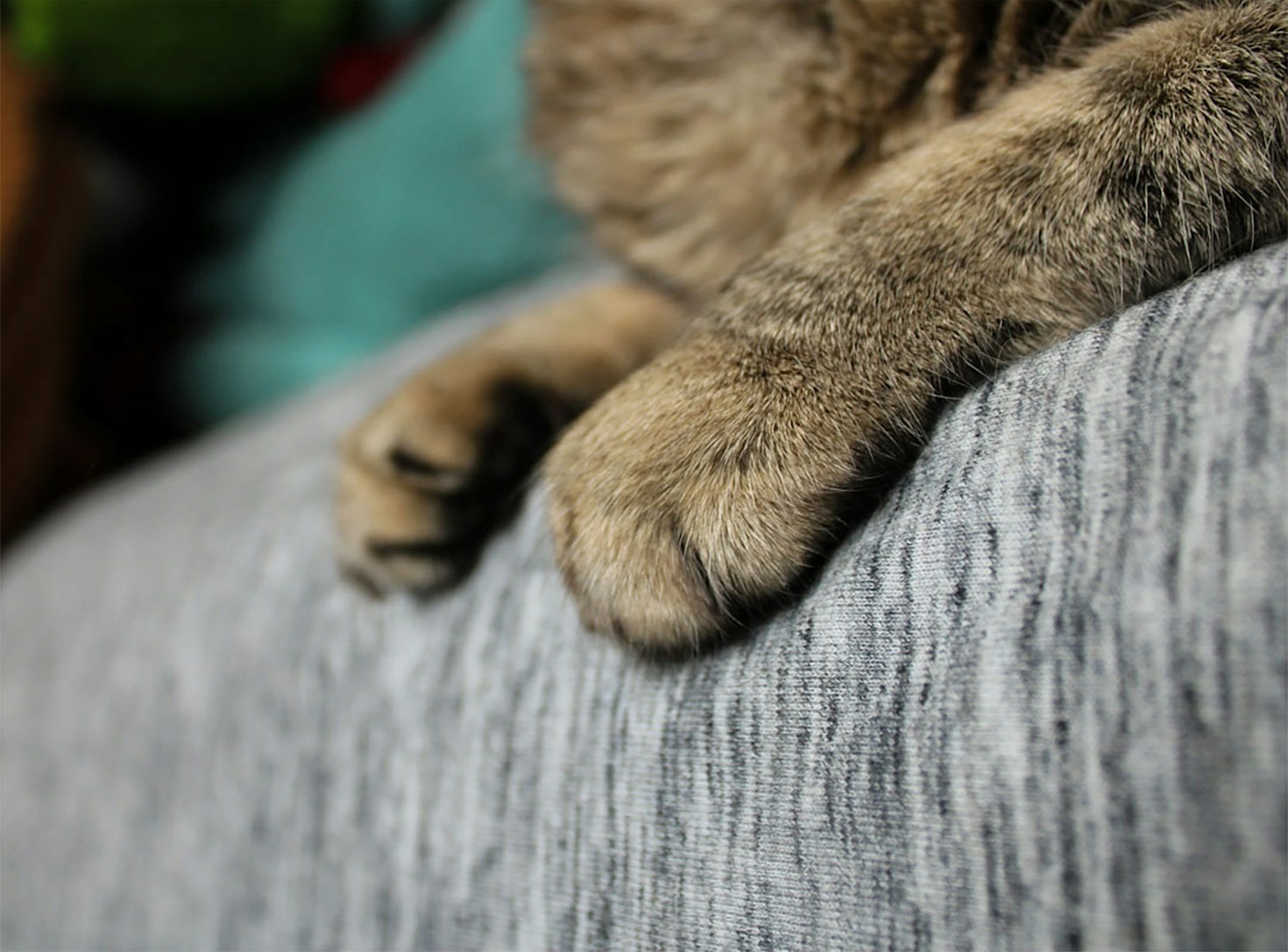
Let’s be honest: in the vast kingdom of adorable animal features, the paw might just reign supreme. From a kitten’s tiny twitch during a dream to the sturdy, muddy prints of a hiking companion, there is something inherently captivating about animal feet.
But why are we so obsessed? It’s not just about the cuteness factor (although, let’s face it, that’s a huge part of it). Animal paws are masterful blends of engineering, individuality, and pure comfort. Here are 10 reasons why we find them simply irresistible.
From the velvet ‘toehawks’ of a dreamer to the speckled ‘beans’ of a friend, animal paws are ten tiny wonders of nature—each a soft, rhythmic reminder that the most irresistible magic in the world walks on four feet.
1. The Geometry of the “Toe Beans”
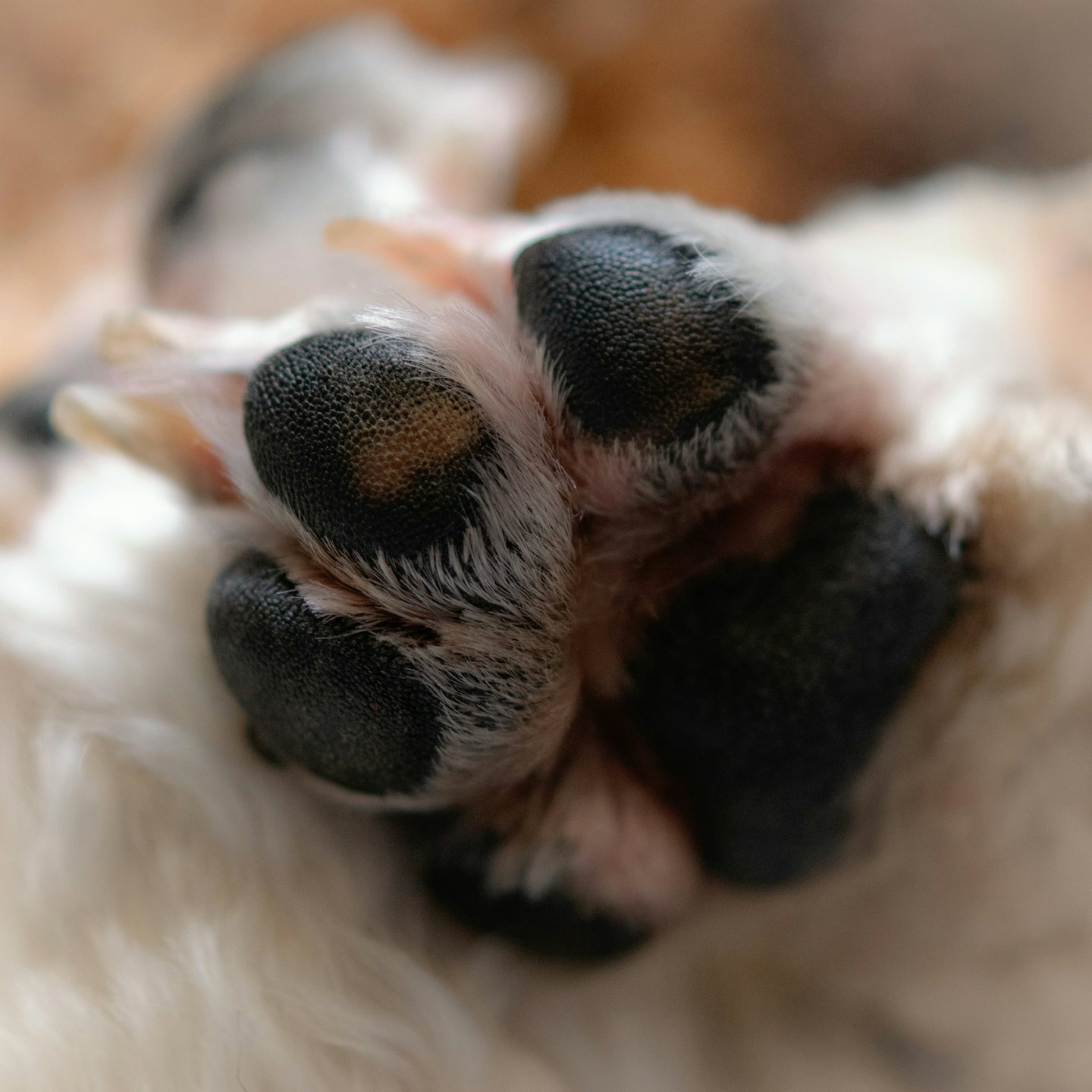
Is there anything more perfect than the digital pads, affectionately known as “toe beans”? Their smooth, symmetrical, bubble-like shape is visually satisfying. When an animal stretches out, displaying a perfect row of these soft pads, it’s a moment of organic geometry that is hard to ignore.
2. A Prism of Pad Colors
The palette on an animal’s pads is rarely boring. While some are a uniform pink or black, many display a mosaic of variegated colors. These speckled beans—a mix of pink, charcoal grey, and soft peach—often mirror the complex patterns of the animal’s coat, adding a level of surprise to every look.
3. The Sensory Magic of Touch
Animal pads are highly specialized sensory organs. Packed with nerve endings, they allow animals to “feel” vibrations and changes in the texture of the ground, which is essential for hunting and navigating. When a pet trusts you enough to let you handle their paws, they are sharing access to one of their most sensitive tools of discovery.
4. Whisker-Thin “Toehawks”
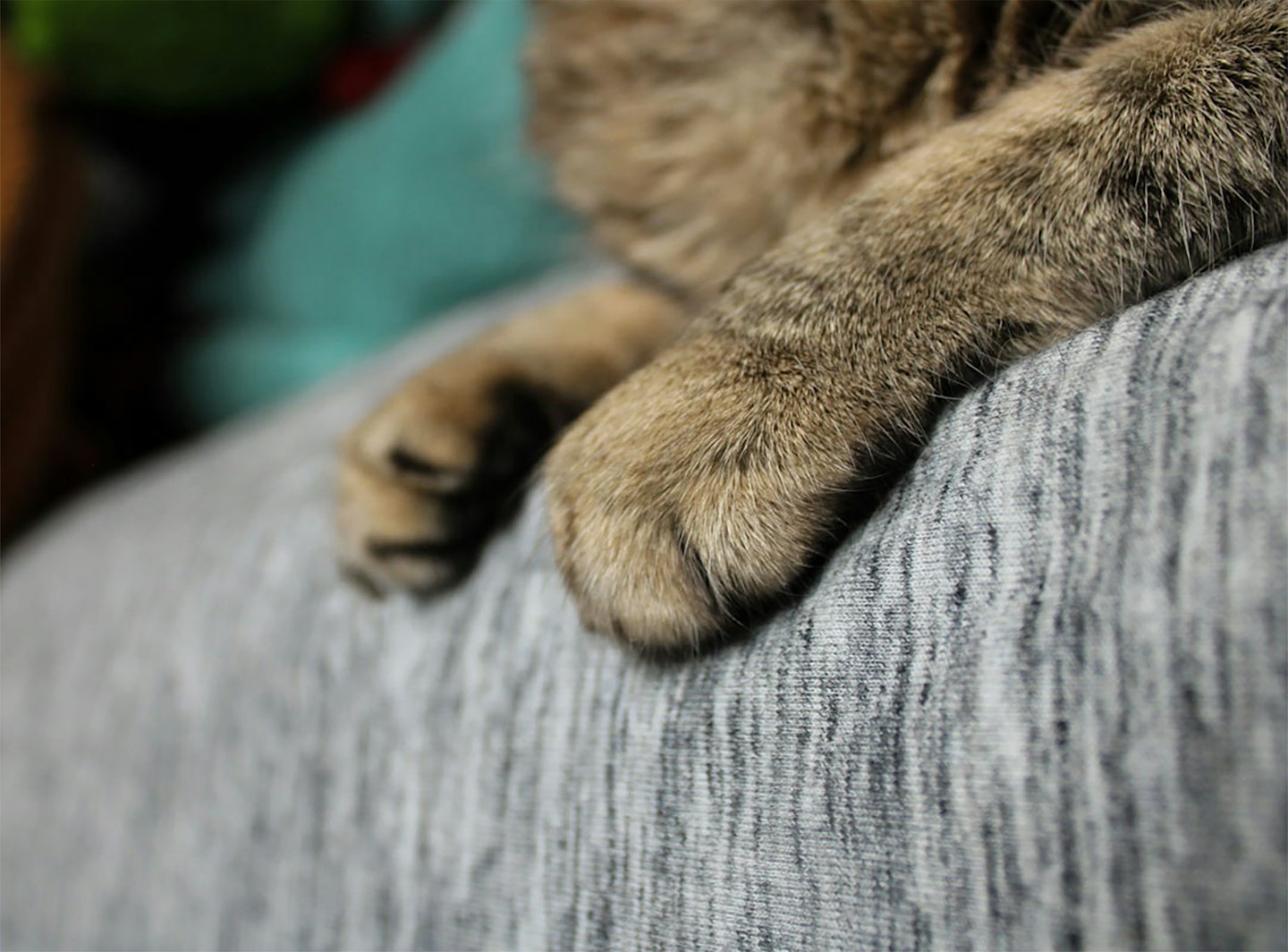
In long-haired breeds of both cats and dogs, the fur doesn’t stop at the ankle. Instead, whimsical tufts of soft fur—the “toehawks” or “mop toes”—sprout from between the toes and around the pads. This extra-fluffy detail provides natural insulation, traction, and an undeniable touch of whimsy.
5. The Architecture of the Claw
The paw isn’t just a soft pad; it’s a sophisticated delivery system for claws. The contrast between the velvety fur and the sudden, elegant curvature of a cat’s retractable claw or the blunt, sturdy cleat of a dog’s nail is a study in functional contrast. This anatomy reminds us of the animal’s nature—built for speed, climbing, or digging.
6. Unique as a Fingerprint
No two paws are exactly alike. The intricate crease patterns, ridge structures, and specific distribution of pigments on the footpads are as individual as a human fingerprint. In some wildlife research, “paw prints” are actually used as non-invasive tools for identifying individual animals.
7. The Symbol of a Silent Connection
When a pet rests a paw on your arm or uses it to “pat-pat” your face for attention, it’s a powerful, unspoken communication. A paw is a symbol of partnership, a cross-species handshake that says, “I am here, and you are my safe space.”
8. A Journey in Texture
The contrast on a single paw is a tactile experience. You can run your finger from the silky-soft fur of the leg to the dense “toehawks” between the toes, and finally to the tough, resilient, almost leathery texture of the main pad. Each layer tells a story of adaptation and rugged durability.
9. The Grounding Presence
There is something deeply comforting about the sound of paws. Whether it’s the quiet “pitter-patter” of a cat on a hardwood floor or the rhythmic “thump-thump” of a dog running across the grass, that sound means you are not alone. A paw is the physical representation of the domestic heartbeat.
10. The Big Stretch
Finally, the irresistible nature of the paw is perhaps best displayed during “the big stretch.” Watching an animal extend its limbs to their fullest, splaying its toes, unsheathing its claws, and taking a luxurious, full-body yawn is a spectacle of pure, uninhibited comfort. It’s a moment of total vulnerability and relaxation that we are privileged to witness.
More Than a Print
So the next time you find yourself smiling at a pet’s sleepy “beans” or admiring a clear print left in the mud, remember: you’re not just seeing a foot. You are seeing ten tiny masterpieces of biology, individuality, and trust.
Leave a Reply