
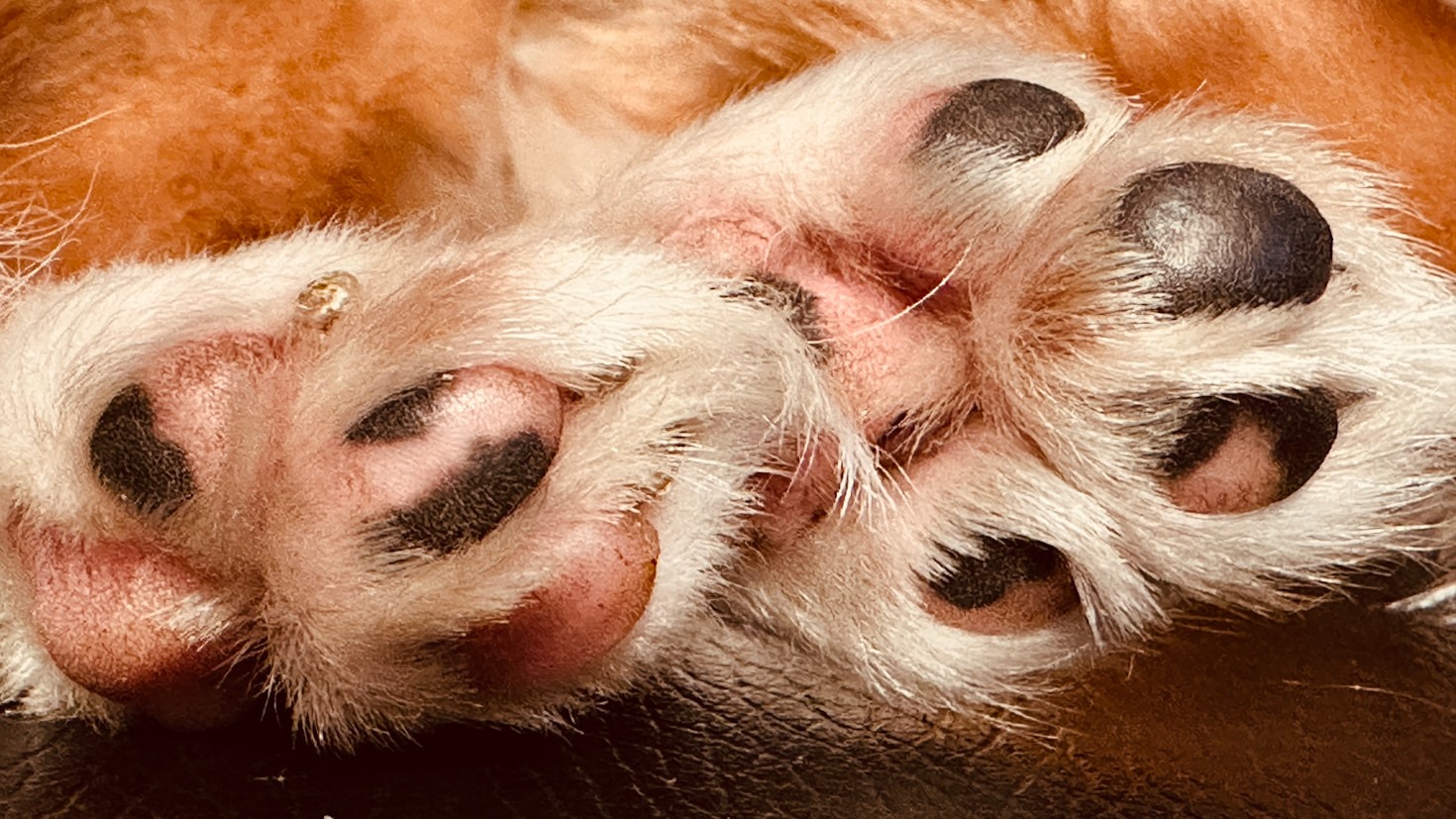
Whether they are padding silently through a moonlit forest or stretching out on a sunny windowsill, animal paws are some of the most specialized tools in the natural world. Far from just being “cute,” the structure, texture, and padding of a paw tell a vivid story about where an animal lives and how it survives.
From the rugged grip of a canine to the silent precision of a feline, let’s explore the incredible diversity of animal paws.
Whether wrapped in the rugged strength of a climber or the velvet soft ‘toehawks’ of a dreamer, every paw is a masterpiece of purpose—a reminder that there are a thousand unique ways to touch the earth, and every single one of them leaves a mark that matters.
The Precision of the Feline: “The Silent Stalkers”
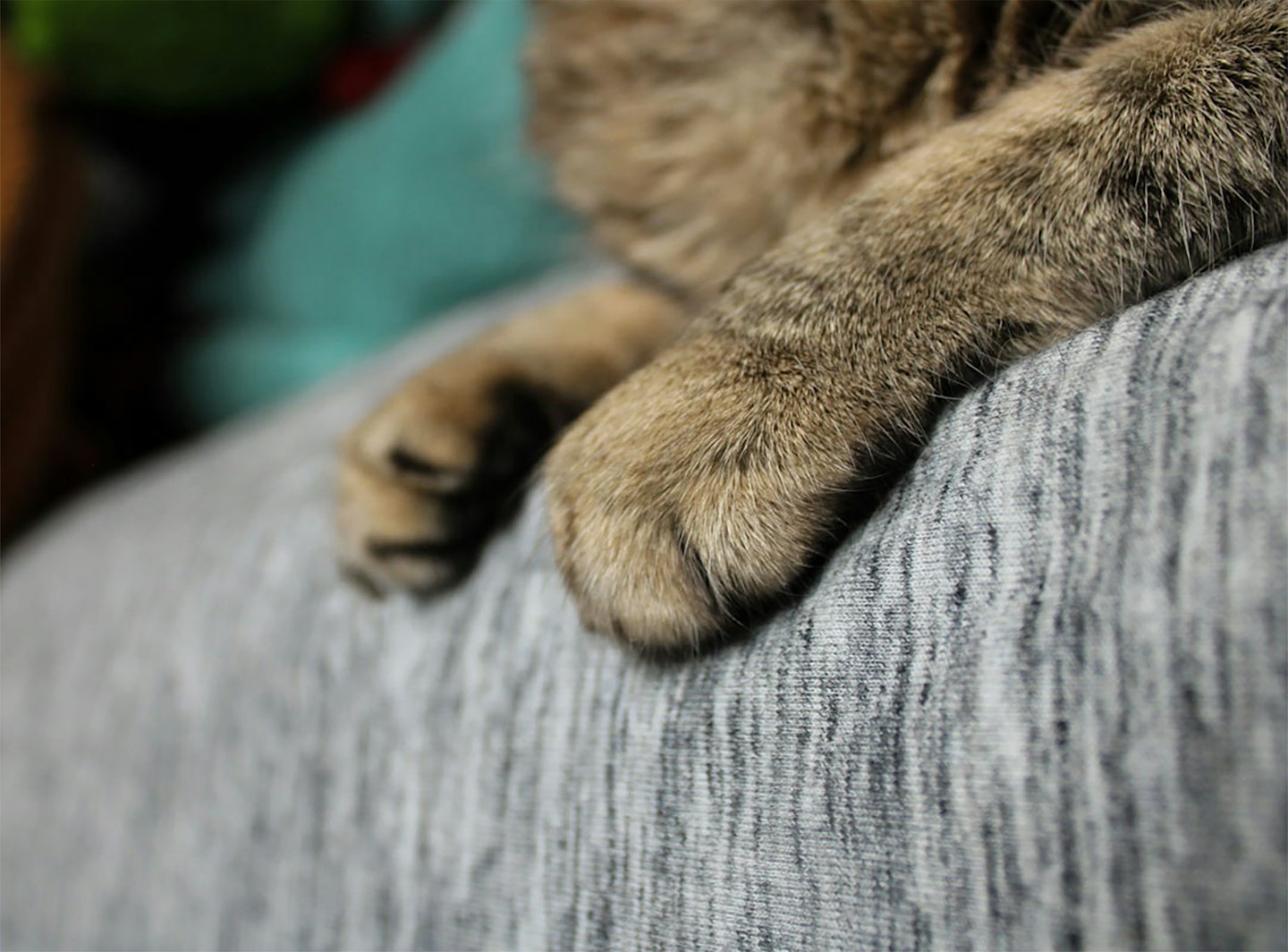
Cat paws are masterpieces of engineering designed for stealth and vertical agility. Most felines are digitigrade, meaning they walk on their toes rather than the soles of their feet.
The “Toehawks”: In long-haired breeds like Persians or Maine Coons, tufts of fur sprout between the toes. These help protect the pads from cold surfaces and provide extra sensory feedback.
The “Toe Beans”: Formally known as digital pads, these serve as high-tech shock absorbers. They are packed with nerve endings, allowing cats to feel vibrations in the ground—essentially “tasting” the environment through their feet.
Retractable Claws: To keep their primary hunting tools sharp, cats keep their claws sheathed in a fold of skin when not in use. This also allows them to move with near-perfect silence over hard surfaces.
The Ruggedness of the Canine: “The Endurance Athletes”
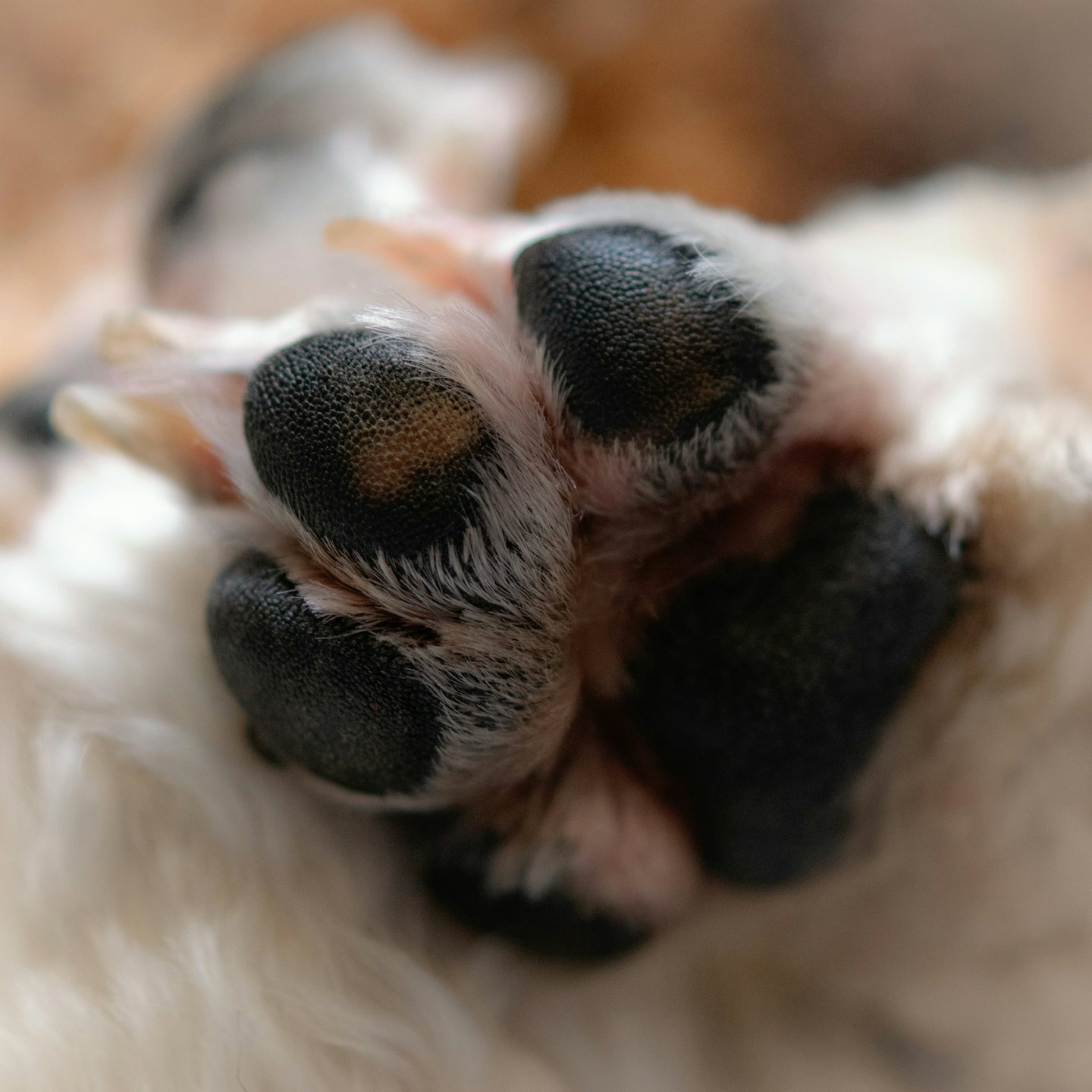
Canine paws are built for stability, long-distance travel, and varied terrain. Unlike cats, dogs cannot retract their claws, which act like cleats on a running shoe.
Scent Glands: Did you know dogs “sweat” through their paws? They also have scent glands located between their pads, meaning every step they take leaves a unique chemical “business card” for other animals to read.
Tougher Padding: Canine pads are generally thicker and more calloused than feline pads. This durability allows them to traverse gravel, ice, and hot pavement (to a degree) while maintaining a firm grip.
Webbing for Work: Many breeds, particularly those bred for swimming or digging, have significant webbing between their toes. This acts like a natural flipper in the water or a shovel in the dirt.
Specialist Paws: Beyond the Basics
Diversity in the animal kingdom goes far beyond our domestic friends. Evolution has shaped paws into specialized gear for extreme environments:
- The Snowshoe Hare: These animals have oversized hind feet with thick, stiff hair that acts like a natural snowshoe, preventing them from sinking into deep drifts.
- The Polar Bear: Their massive paws are covered in small bumps called papillae, which provide extra traction on slippery ice, while the fur between their toes prevents frostbite.
- The Cheetah: Often called a “dog-like cat,” the cheetah is one of the few felines with semi-retractable claws. These stay partially out at all times to provide the high-speed traction needed for a 70 mph sprint.
A Final Thought
The next time you see a “big stretch” or watch a pet patter across the floor, take a second to appreciate the complex biology at work. From the speckled beans of a calico to the powerful grip of a retriever, paws are a perfect example of how nature balances form and function.
Leave a Reply