
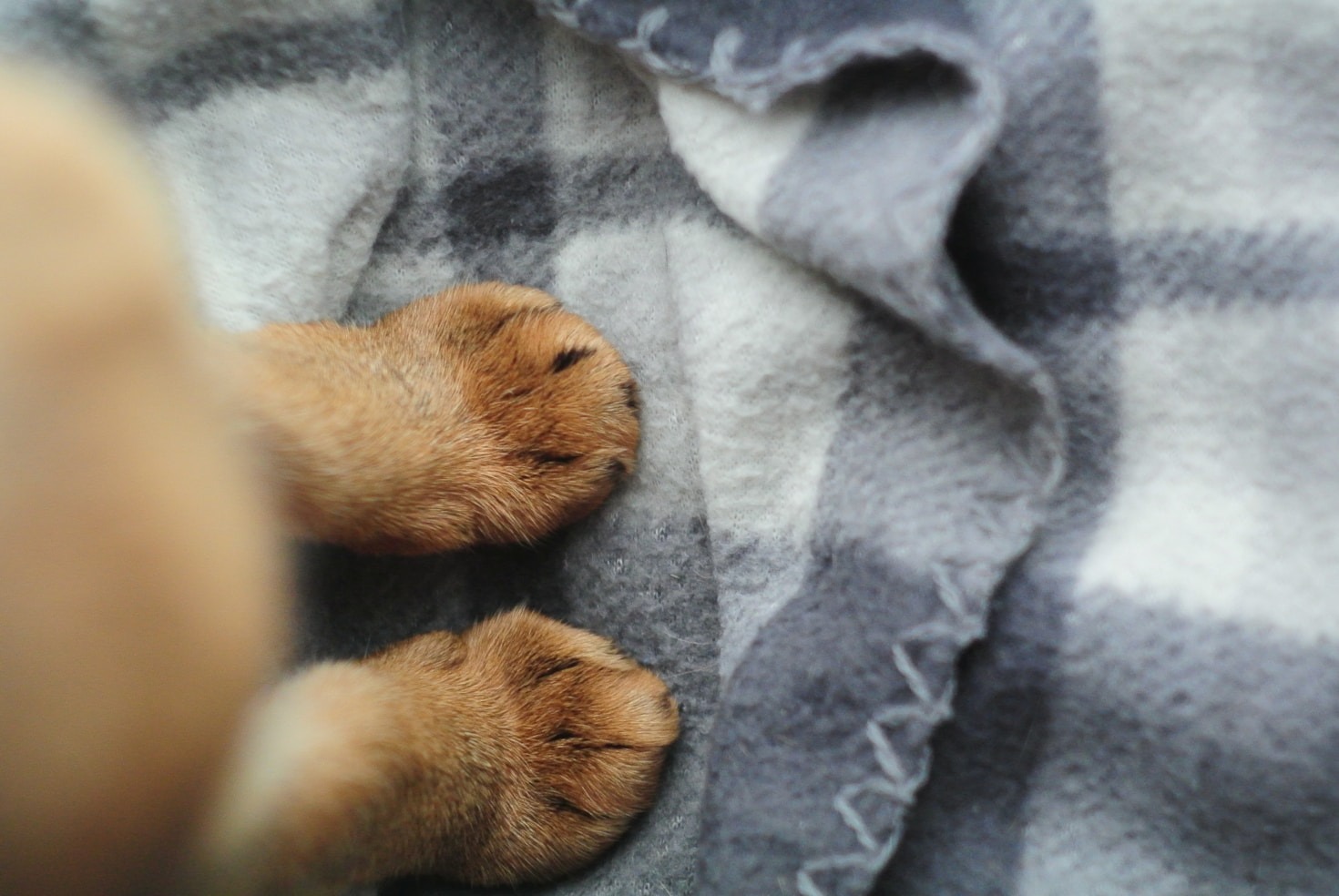
In the world of animal photography, we often find ourselves drawn to the “soulful” eyes or the “expressive” tilt of a head. But there is a silent, often overlooked masterpiece right at our feet—literally. Focusing on animal paws offers a fresh, intimate perspective on the creatures we love, turning a functional body part into a study of texture, geometry, and devotion.
Stepping closer to capture the fine details of “toe beans” and soft “toehawks” isn’t just a trend; it’s a way of documenting the very foundation of the bond we share with our pets.
In the delicate splay of a ‘toehawk’ and the quiet mosaic of a speckled ‘bean,’ we find a new perspective on devotion—where every macro-detail is a masterpiece, and every shutter click captures the soft, steady rhythm of a life walking in step with our own.
1. Finding Beauty in the Micro-Scale
When we shift our lens downward, we enter a world of incredible biological variety. A paw is a complex landscape that changes with every breed and species.
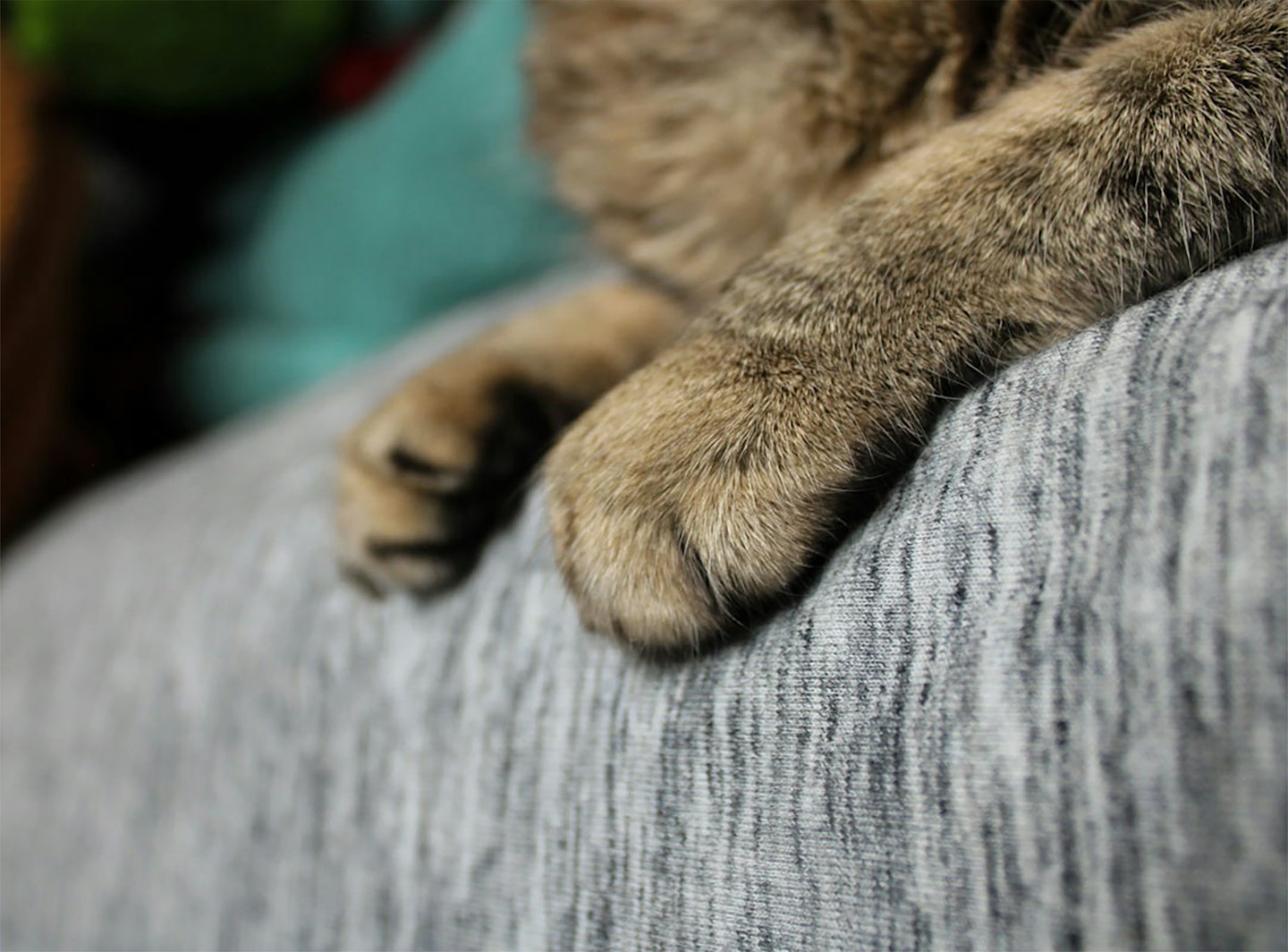
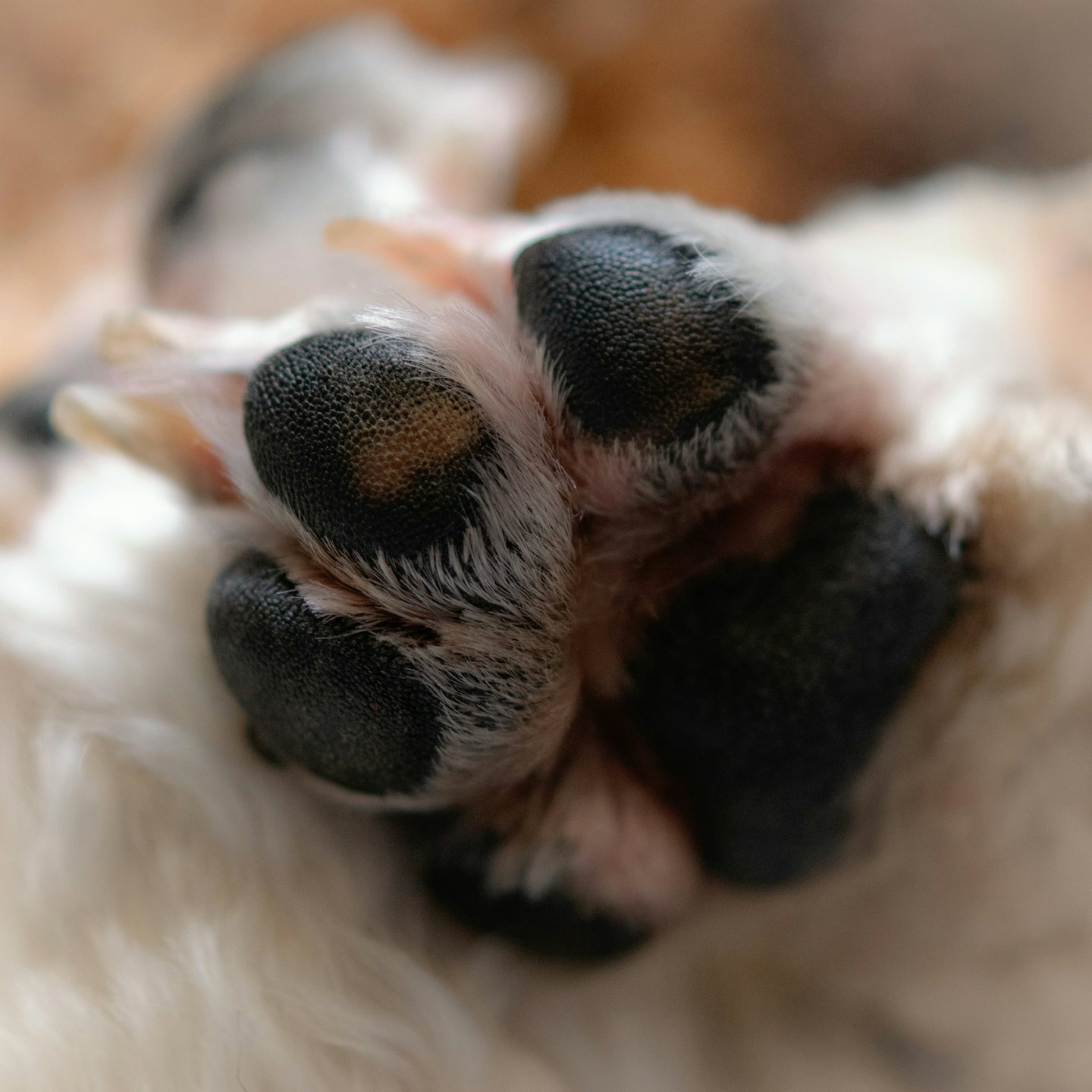
- The Mosaic of the Pad: High-resolution photography reveals that “pink” or “black” pads are rarely solid. Many pets, especially calicos and mixed breeds, possess speckled beans—a beautiful, variegated mix of pigments that look like a handful of polished river stones.
- The “Toehawk” Texture: In long-haired breeds like Maine Coons or certain terriers, the long tufts of fur sprouting between the toes—affectionately called toehawks—create a soft, ethereal frame for the sturdier pads beneath. Capturing the way light filters through these fine hairs adds a dreamy, tactile quality to any portrait.
2. A Study of Contrast and Geometry
From a purely artistic standpoint, paws are a playground for composition. They offer a unique intersection of soft organic curves and rugged, functional edges.
Rugged vs. Velvety: The juxtaposition of a dog’s leathery, resilient pad against the silky-soft fur of their leg creates a visual tension that tells a story of an animal built for both rugged terrain and gentle companionship.
Symmetry and Splay: There is a rhythmic beauty in the way a paw splays during a “big stretch.” The symmetrical alignment of the digital pads provides a naturally satisfying focal point for a photograph.
3. The Emotional Weight of a “Paw-trait”
Beyond the aesthetics, paw photography carries a profound emotional resonance. A paw is often the first point of physical contact between a human and an animal.
- The Language of Touch: Whether it’s the rhythmic “making biscuits” of a content cat or the trusting weight of a dog’s paw in your palm, these images trigger sensory memories. A photo of a paw is a photo of a greeting, a comfort, and a silent “I’m here.”
- A Roadmap of a Life: For senior pets, a close-up of a weathered, slightly worn pad is a poignant record of every mile walked and every adventure shared. It’s a signature of a life lived in your shadow.
4. Tips for Capturing the “New Perspective”
If you’re looking to try your hand at this intimate style of photography, keep these elements in mind:
- Seek the Light: Side-lighting from a low window is perfect for highlighting the texture of the pads and the individual strands of a “toehawk.”
- Patience is Key: The best shots often happen during a deep sleep or a relaxed groom. A splayed, resting paw is much easier to capture in sharp detail than one on the move!
- Go Macro: Use a macro lens or a high-quality “portrait mode” to blur the background (bokeh), making the intricate patterns of the pad the undisputed star of the image.
Final Thoughts
Choosing to photograph an animal’s paw is an invitation to see them in a new light. It reminds us that every “pitter-patter” we hear across the floor is made by a tiny, complex masterpiece. By shifting our perspective, we celebrate the small, steady steps that make up the greatest journeys of our lives.
Leave a Reply